
How to Audit-Proof Your Books Before the CRA Comes Knocking
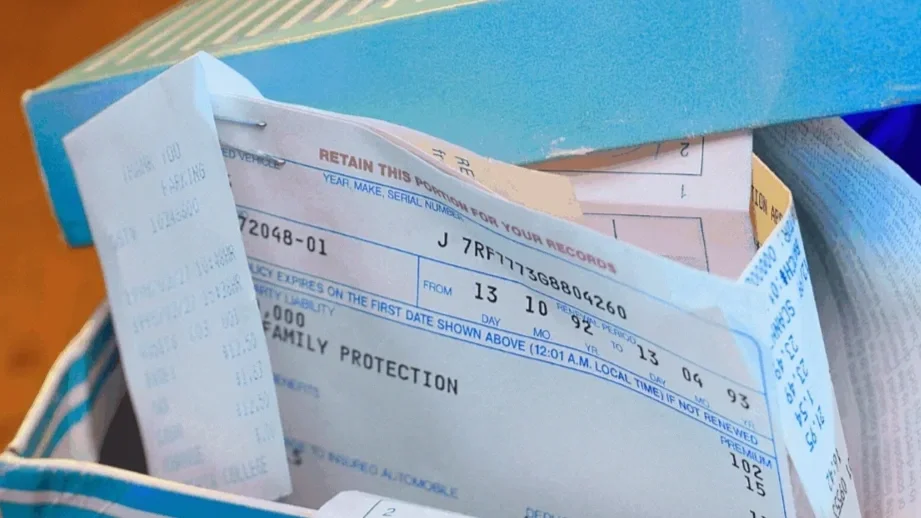
If you’re a small business owner in Canada, here’s a hard truth: the CRA has been increasing reviews and audits, especially for small businesses and sole proprietors. Many owners assume that filing taxes on time is enough—but when the CRA asks for proof, not having it can mean surprise reassessments, denied deductions, penalties, and unexpected tax bills.
The good news? You can significantly reduce your risk by audit-proofing your books before you’re contacted.
What Triggers a CRA Audit?
CRA audits aren’t usually random. Common triggers include:
High expenses compared to revenue
Large or unusual deductions
Repeated business losses
Home office and vehicle claims
GST/HST discrepancies
Poor or missing documentation
If the CRA asks for proof and you can’t provide it, they can disallow expenses—even if they were legitimate.
What “Audit-Proof” Really Means
Audit-proof doesn’t mean you’ll never be audited.
It means that if you are audited, you can confidently back up every number on your return.
CRA cares about three things:
Accuracy
Consistency
Documentation
If any one of those is missing, you’re exposed.
7 Steps to Audit-Proof Your Books
1. Keep Receipts (Yes, All of Them)
CRA requires proof for every expense claimed.
Best practice:
Keep digital copies of receipts
Make sure receipts clearly show:
Vendor name
Date
Amount
Taxes paid
Store them for at least 6 years
Pro tip: Bank statements alone are not enough.
2. Separate Business and Personal Finances
Mixing personal and business transactions is one of the biggest red flags.
Do this:
Separate business bank account
Separate business credit card
No “guessing” later what was business-related
CRA auditors love clean separation—and question everything when they don’t see it.
3. Match Your Books to Your Tax Return
Your bookkeeping should clearly support the numbers on your tax return.
That means:
Income matches deposits
Expenses match receipts
GST/HST collected and remitted matches reports
If your books don’t tie out, CRA will assume the return is wrong—not the books.
4. Be Careful With Common High-Risk Deductions
CRA pays extra attention to:
Vehicle expenses
Home office expenses
Meals and entertainment
Contractor payments
Make sure you have:
Mileage logs
Home office calculations
Business purpose documented
T4As issued where required
If you can’t explain why an expense was business-related, it may be denied.
5. File and Pay GST/HST Correctly
GST/HST errors are a major audit trigger.
Double-check:
You’re charging the correct rate
You’re claiming legitimate ITCs only
You’re not claiming personal expenses
Filing deadlines are met
CRA frequently audits GST/HST separately from income tax.
6. Use Accounting Software (and Use It Properly)
Spreadsheets and shoeboxes don’t hold up well in audits.
Accounting software:
Creates an audit trail
Shows consistency over time
Makes reports easy to produce quickly
During an audit, speed and clarity matter. Disorganized records raise suspicion.
7. Get a Professional Review Before CRA Does
Having a bookkeeper or accountant review your books before filing can catch:
Missing documentation
Overclaimed expenses
GST/HST errors
Risky reporting patterns
It’s far cheaper to fix issues early than to deal with a reassessment later.
What Happens If You Can’t Provide Proof?
If CRA asks for documentation and you can’t provide it:
Expenses can be denied
Income can be reassessed upward
Penalties and interest may apply
You could owe unexpected taxes years later
Even honest mistakes can be costly.
Final Thoughts
CRA audits aren’t about intent—they’re about evidence.
If your books can’t tell a clear, documented story, CRA will tell one for you—and you probably won’t like the ending.
Audit-proofing your books isn’t about fear.
It’s about control, confidence, and protecting your business.
Don’t wait for the CRA to find the gaps.
If you’re not 100% confident your books would stand up to a CRA audit, now is the time to act. Our team helps small business owners clean up their books, fix risk areas, and get audit-ready—before there’s a problem.
Contact us today to review your books and protect your business.
A short conversation now can save you thousands later.